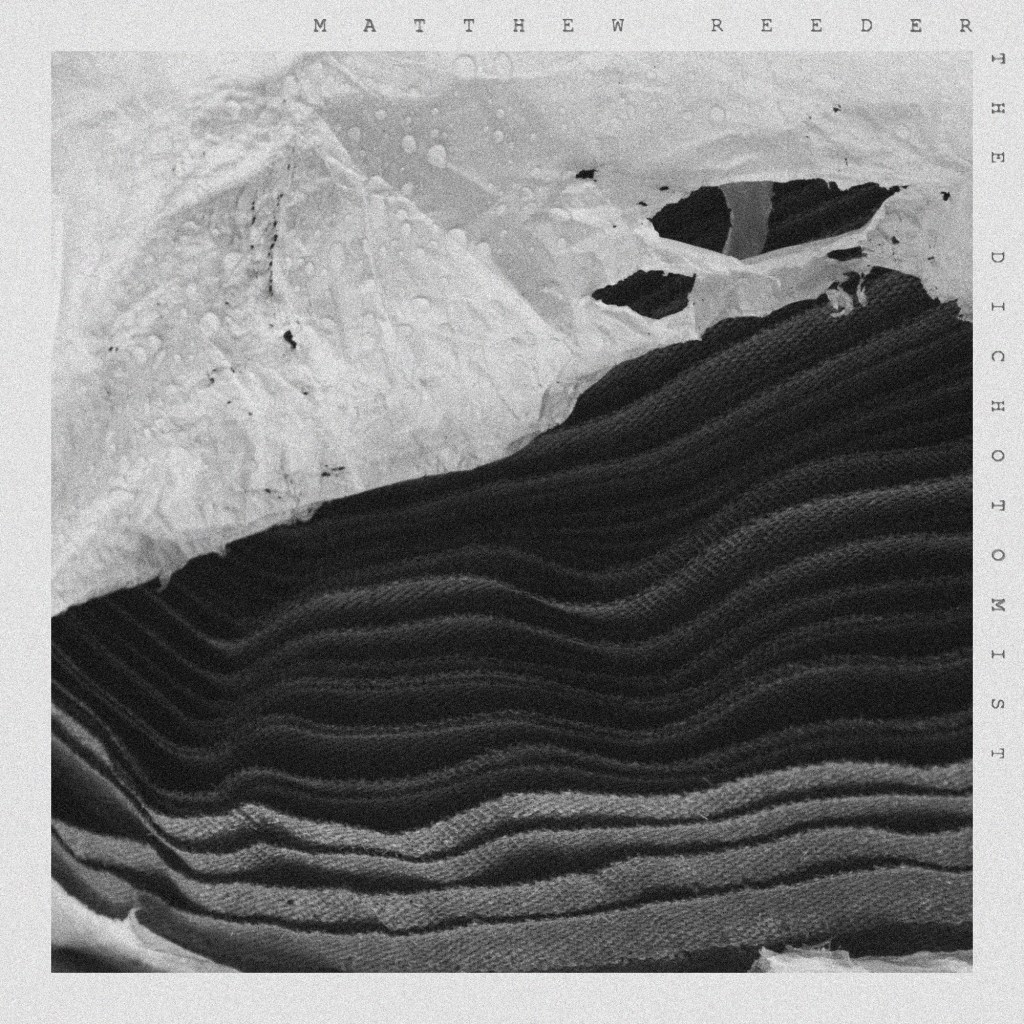

The Dichotomist
04 – 11 – 2024
Ambient
3 tracks
1h 1m 45s
“The Dichotomist is a meditative exploration on the analog warmth of the Roland Alpha Juno backed by the brilliance of the Korg Opsix and organic performance of ebowed guitar, resulting in three ambient compositions fit for traversing the small hours.“
α
I was roaming my local Guitar Center in the deep winter of January of 2024 when my eye caught a glimpse of the Roland brand name on a well-used keyboard. From a distance, I figured it was a more recent addition to their arranger keyboards, but I walked over regardless to see what it had to offer. At first I was thrown off by the obviously Yamaha-inspired soft touch buttons, but what really caught my attention was the name:
“α JUNO-1”
I wasn’t even sure what the first symbol was until I found the Wikipedia article for the Roland Alpha Juno to confirm the vague resemblance to the Greek symbol for “alpha.” I was still under the impression this may just be a recent failure to continue the Juno legacy until I noted the release year of 1985- smack dab in the middle of the FM synthesis explosion. Turns out the biggest reason I didn’t recognize this edition to the Juno lineup was solely due to the Yamaha DX7 making this synth a commercial failure until the 90’s.
It had been sold to the store just a few days prior, so I had to set the Alpha on layaway to follow through with state law for used vintage gear. A month later, I returned to claim my new addition to my hardware synth collection.
A few months later, I was wanting create a three to four track ambient project that heavily relied on consistency, repetition, and warmth. This was definitely inspired by how much Nils Frahm’s 2022 Music for Animals had become an important road trip album for me (works wonders for putting a restless toddler to sleep!) and I wanted cathartic compositions of my own to let my mind wander through as well. The obvious starting point was to pull out my freshly acquired Alpha Juno and begin making massive swells.
α
A Peculiar Friend was conceived from using the six voice limit to my advantage. The envelopes are designed to latch per voice, so as a user adds a voice each envelope will run their course as usual until you run out of voices. Once a seventh voice is attempted, it’ll assume the role of the first voice and continue the envelope seamlessly. This has its disadvantages, but in this case it was a powerful feature. I diligently used up all six voices for an initial chord and established a long attack to let the filter open slowly. As soon as the envelope reached its zenith, the six-note chord changed and shortened the gate to just a sudden stab. This resulted in the chord changing immediately while maintaining the same levels the previous chord had left on, but the quick gate allowed the second chord to begin the long release of the envelope. The chords I chose were built around a suspenseful and bold relationship I had discovered sounded best on my dad’s grand piano compared to other pianos.
F#aug+2nd/D as the rising chord for tension.
Bmajor+major7th as the conclusion.
The warmth of the Alpha Juno really captured the brooding grit I was looking for. I then threw in a few alternate chords to add to the low-light feeling the composition was really delving into. I let Ableton choose at random which phrases of MIDI to operate the Alpha Juno with and how much velocity went to each note. I manually increased the base value for the filter on the synth as the track began and ended. Lastly, I made a patch on the Korg Opsix that added a healthy sense of brilliance and animation to the composition. This I played myself to provide an organic, human performance that played in reaction to the base Juno track. Threw in some tasteful accidentals to create my favorite recipe for cluster chords built by different timbres.
The title for this track was the hardest of the three to come up with. Nothing really seemed to capture the personality this composition had, and I didn’t have any real visual to what this track was even supposed to convey. I eventually decided to call it by exactly what that primary chord sequence felt like each time I played it on the piano: a strange acquaintance I always fall back on to try and understand why its presence feels so captivating on just one particular piano. The title A Peculiar Friend was given to the composition, and, to this day, that is what this track has continued to be for me.
α
The Catwalk was an especially fun composition. The concept for this track was actually the first of the three to be fully realized, and it served as the catalyst to make this project. I was inspired at the time by the walking melody used in O like a Tomato by Loris S. Sarid (from the album Music for Tomato Plants– interesting theme going on) and tried a few different lines to inspire me to make more than just a nice mallet patch on the Juno. Eventually I ended up making an ascending walk that established a back and forth progression between B-flat minor and F minor while ignoring any use of a G or G-flat to defy any specific seven tone scale. I kept key-tracking off to let the higher noise disappear behind the veil of the oppressing filter, only letting them come to light by opening the filter manually. I intentionally let the ascending sequences overlap each other to let it feel almost like a Shepard tone.
When I set out to make the pad portion of the composition, I wanted to use the same latching effect as A Peculiar Friend, only this time I didn’t want the chords to ever really release- I effectively wanted to hack a synced LFO into the Alpha Juno. I opted to provide some more melodic movement to the chord structure on the offbeats, which then prompted me to move the walking percussive line behind by an eighth beat to give it some attitude.
The title was inspired by the saunter a cat has when coolly walking along a fence line, the precarious nature of construction platforms, and the dim lighting cast on the audience of a fashion show. I feel it captures the almost sinister air of the track well.
α
Lastly, we have Lightship Tune. I decided to step away from the chopping chords and rely wholly on Ableton to randomly choose predetermined chords for some lush swells. I managed to hack some logic into it by making it go to the Cmajor chord after randomly playing the Dmajor. This caused Ableton to get caught accidentally swinging back and forth between the two chords like a woeful call and response after wandering an otherwise Cmajor scale. This inspired me to interfere and have two parts, each one ending with the swinging sequence. Towards the end I manually closed the filter on the Alpha Juno, but outside of those two things, I let Ableton do the lamenting.
To complete the mix, I decided to use my Martin acoustic guitar and ebow for some woody drones to accompany each swell.
The title was doomed to be a nautical reference, as a lot of my projects tend to, but this track just had every reason to. I had read about lightships and how they were used off dangerous coasts in place of lighthouses, and it inspired me thinking about a ship on a foggy morning taking each slow crest of the tide as it came. The pulsing of the guitar also reminded me of the tone of the fog horn in Crescent City, California, which I recorded in 2019 and turned into a sample instrument for the track Dolos / Retrouvailles from The Ambrosial Collection.
α
The effects used throughout the project were just the delay and reverb plug-ins from Ableton.
This is one of my favorite releases, as it carries a lot of candid emotions that aren’t just sentimental, but also mysterious. I also love projects that let a specific synth play as the lead role, and the Roland Alpha Juno has a lot of grandeur to offer.
α
 Matthew Reeder